
Recently, I’ve been trying to use up the porcelain clay I stocked during the winter. It still looked fine when I opened the first bag. The moisture level was good, the clay was soft, and I couldn’t see any mold or discoloration. Then I smelled it. It smelled like feet. Not a faint earthy smell, either. It was bad enough that I immediately started wondering whether I should still be touching it, much less making anything with it.
I had stored the clay because I didn’t want it to dry out. That part worked. Apparently, I had also created a pretty comfortable place for something else to live.
What is actually making the smell?
Porcelain clay is mainly a mixture of minerals, usually including kaolin, feldspar, and silica. Those minerals do not rot. But a bag of prepared clay is not sterile. Small amounts of organic material can be present in the raw materials or in the additives used to improve plasticity. More can enter through hands, tools, sponges, buckets, worktables, reclaim, and throwing water. Once wet clay is sealed inside a bag, it has water, traces of organic matter, very little fresh air, and several months to sit there. That gives microorganisms a chance to grow. As they break down the available organic material, they release different volatile compounds. Those compounds can smell sour, swampy, sulfurous, sweaty, or, in my case, like old socks. I can’t identify the exact microorganism or chemical just from the smell. A rotten-egg smell may involve sulfur compounds, while a sour or sweaty smell may come from organic acids and other microbial by-products. Either way, it is not the porcelain minerals themselves producing the odor. It is what has been happening inside the wet clay while it was stored.
Can I still use it?
Probably.
If the clay only smells bad but still has its normal color, texture, and plasticity, I don’t see a reason to throw it away immediately. Wedging it in a well-ventilated space should help release some of the odor, and the organic material will burn out during firing. But I would still test it before using it for anything important.
I want to know whether it:
- wedges normally
- still feels plastic rather than sticky or crumbly
- holds its shape
- dries at the usual rate
- fires without bloating, discoloration, or other unexpected changes
The smell itself may be harmless, but microbial activity can sometimes affect organic additives in a prepared clay body. If those additives have already broken down, removing the smell will not necessarily return the clay to its original condition. So I’ll make a few small test pieces first. If they behave normally, I’ll keep using the clay. If the texture or firing result has changed, I’ll know before I spend several days making a finished piece with it.
I don’t think adding bleach is the best answer
A common suggestion is to add bleach, hydrogen peroxide, vinegar, disinfectant, or essential oil. That might reduce the smell or kill some microorganisms, but it also introduces another material into the clay body. That addition could affect plasticity, particle behavior, drying, glaze response, or firing. Even if the change is small, I would rather not create another variable unless I know exactly what I’m adding and why. It also does not solve the original storage problem. If dirty water, contaminated tools, or long-term wet storage caused the smell, adding a chemical afterward is only treating the result. The better answer is to keep the clay cleaner before storage and reconsider which clay actually needs to remain wet.
Fresh clay and reclaim should not be stored the same way
Fresh clay needs to stay workable, so it has to remain moist. I can wrap it tightly, divide it into smaller blocks, label it, and keep it in a cool part of the studio.
Reclaim is different.
I used to think it made sense to keep leftover clay damp because damp scraps would be easier to reuse. But if I am not planning to reclaim them soon, that creates the same conditions that made the stored porcelain smell in the first place. Damp reclaim sits in a container with water, studio residue, and limited airflow. Compared with fresh clay, it is usually exposed to even more contamination from hands, tools, sponges, and throwing water. Leaving it wet for months is asking for trouble. For long-term storage, I now think dry reclaim makes more sense. Microorganisms need available water to remain active. Bone-dry clay is therefore much less likely to develop the same strong odor. Instead of keeping scraps damp indefinitely, I can allow clean porcelain scraps to become completely dry, place them in a closed and labeled container, and reclaim them later. When I have enough material, I can add clean water and let the dry clay slake down. After it has absorbed the water and broken apart on its own, I can mix the slurry, dry it back to a workable consistency, and wedge it.
This also gives me a clear distinction:
- Clay I plan to use soon stays moist.
- Clay I plan to store for a long time becomes completely dry.
- Fresh porcelain stays separate from reclaim.
- Porcelain reclaim stays separate from other clay bodies.
- Dirty throwing water does not go back into clean clay.
That system is simpler and gives microorganisms fewer opportunities to turn a reclaim container into something I don’t want to open.
Dry storage has its own risk
Dry clay is less likely to smell, but it can create silica dust. That means I should not crush bone-dry scraps, break them into powder, shake the container, or sweep up dry clay dust. The scraps can be placed gently into a closed container without being broken down. When I am ready to reclaim them, I can add water directly and wait for the clay to soften. Work surfaces should be cleaned with water or a suitable HEPA-filtered vacuum rather than dry sweeping. So dry storage is better for controlling odor, but only if the clay is handled without creating airborne dust.
What I’ll do differently next winter
My new storage system is fairly simple.
Fresh clay
I’ll divide new clay into smaller blocks and wrap each one tightly in clean plastic. I’ll label the clay body and packing date, then store it in the coolest stable part of the studio, away from the kiln. I’ll use the oldest clay first instead of opening whichever bag is easiest to reach.
Workable reclaim
If I know I’ll reuse the reclaim soon, I can keep it moist in a clean, closed container. But “soon” needs to mean days or weeks, not an unspecified point next season.
Long-term reclaim
Clean scraps will be allowed to become completely bone dry. I’ll store them by clay body in closed, labeled containers and add clean water only when I am ready to process an entire batch.
Throwing water
I’ll stop treating all clay-containing water as useful reclaim. Water from a clean porcelain session can be collected separately, but old sponge water and mixed studio water do not need to go back into the clay.
Containers
Buckets and storage boxes need to be properly washed and dried before reuse. A bucket that looks empty can still have a thin layer of old clay and organic residue inside it.
Regular checks
I’ll check stored wet clay every couple of months for damaged packaging, leaking water, unusual softening, discoloration, or smell. It is much easier to deal with one questionable bag than to discover that everything I stored for winter has developed its own ecosystem.
Storage is part of the process
I usually think about clay storage as a way of keeping the material unchanged until I’m ready to use it. But wet clay does not simply pause inside a plastic bag. Moisture continues to move through it. Organic material can break down. Microorganisms can grow. Additives can change, and the clay may not come out exactly as it went in. That does not mean old clay is bad clay. Some clay bodies actually become more workable after resting because the moisture has had time to distribute more evenly. The problem is not age by itself. The problem is leaving wet, contaminated material in a warm container for months and expecting nothing to happen. I’ll still use the porcelain I stored last winter. First I’ll wedge it, make a few tests, and see how it fires.
But from now on, any reclaim I want to store for a long time will be stored dry. It may take longer to process later, but that is still better than opening another bucket that smells like feet.
smelly porcelain clay, porcelain clay storage, dry clay reclaim, wet clay bacteria, storing pottery clay, porcelain reclaim, long-term clay storage
Products by Category
-
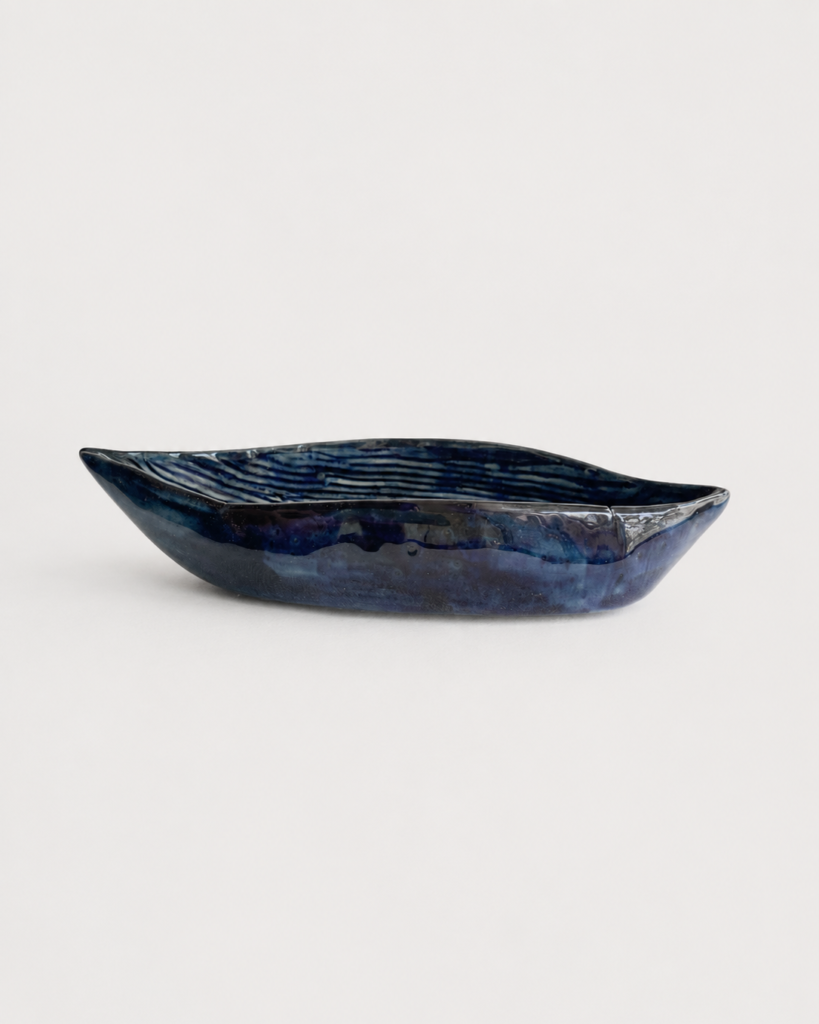
Leaf shaped ceramic small dish
$150.00 -
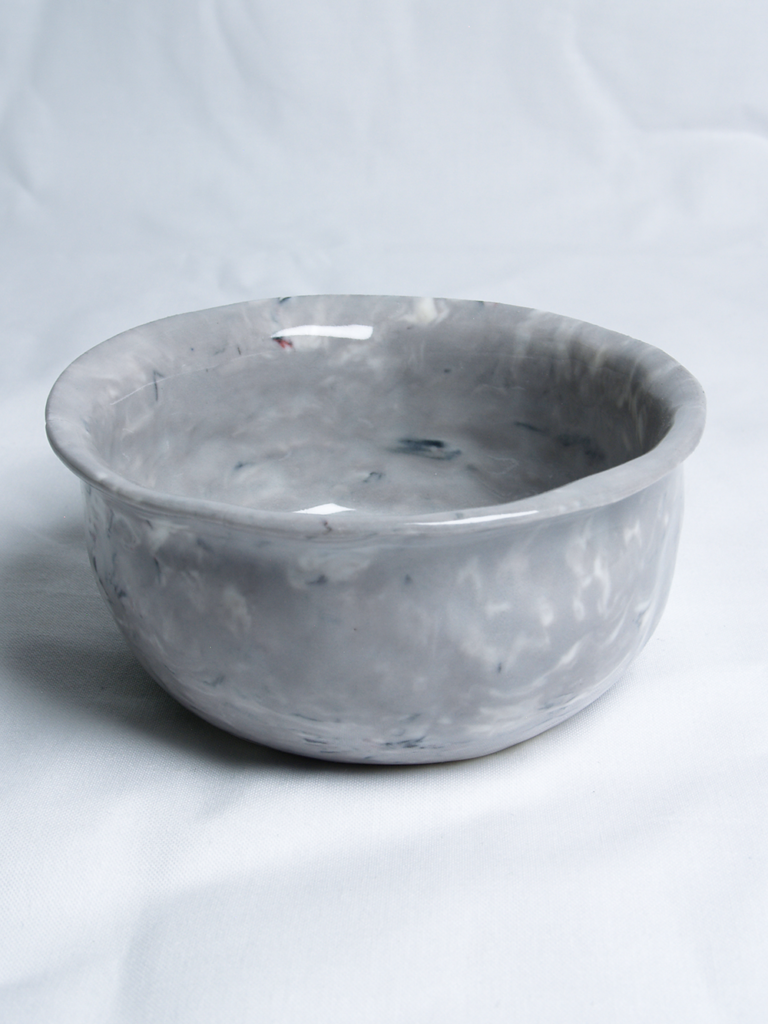
Purple-Grey Marbled Stoneware Bowl
$220.00 -
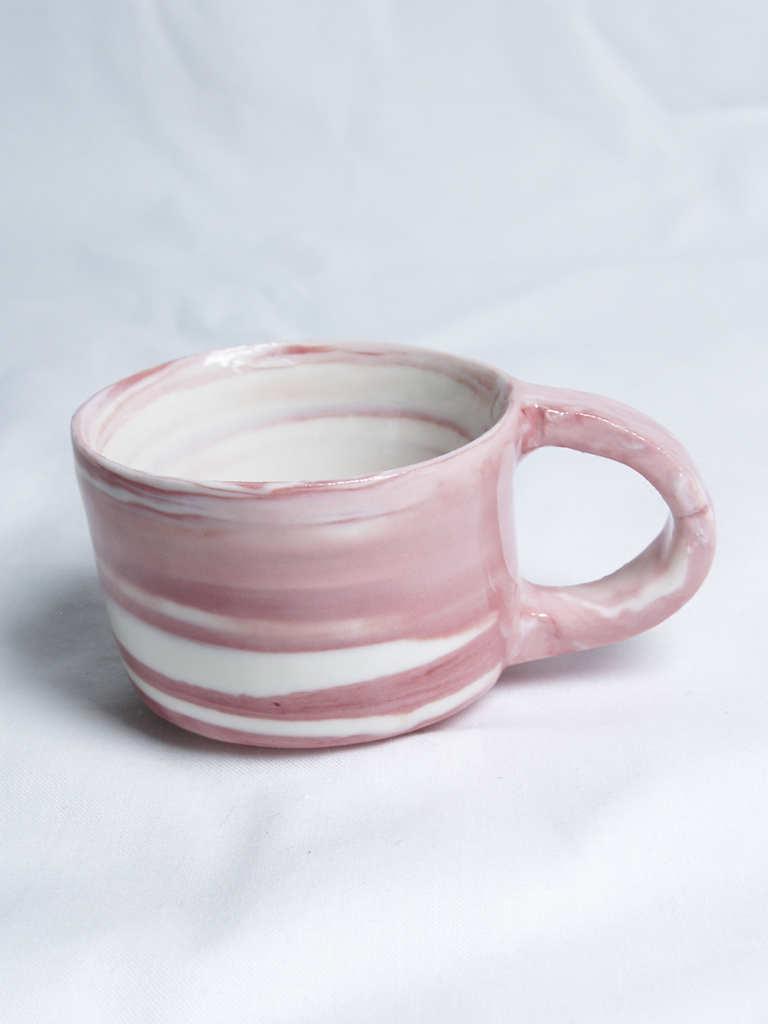
Red and White Nerikomi Ceramic Cup
$240.00 -
Sheep Waiting for a Bell
$220.00 -
Small Handbuilt Watercolor Palette
$45.00 -
Speckled Flow Glaze Ceramic Cup
$85.00 -
Spiral and Dot Underglaze Stoneware Saucer
$160.00 -
Spiral motif ceramic saucer
$70.00 -
Spiral Pattern Lidded Ceramic Jar
$320.00