
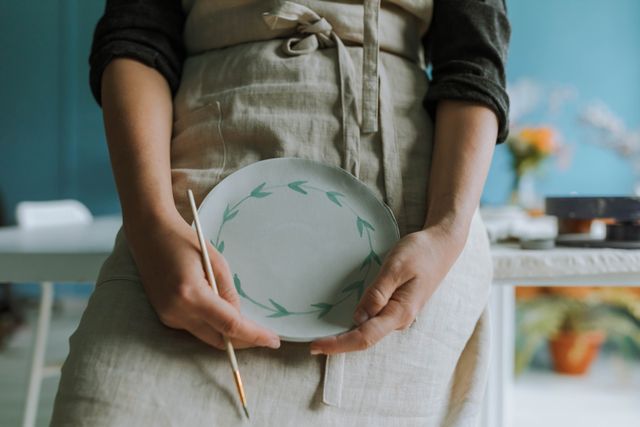
I used to think of glaze primarily in terms of color. A glaze was blue, green, brown, white, or transparent—something selected and applied to the surface of a finished form.
Learning more about its ingredients has made that description feel increasingly inadequate.
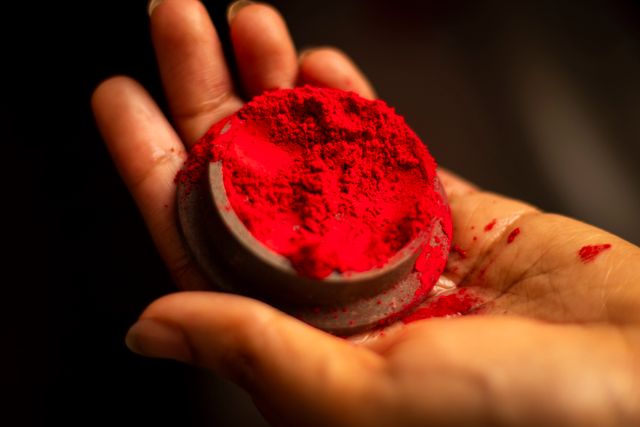
Silica forms the glass-like structure of a glaze, while alumina helps control how that molten surface moves and stabilizes. Neither is simply a colorant. Iron, copper, and cobalt oxides can introduce color, but even these do not produce one fixed result. Iron may move through ochre, brown, red, green, or near-black. Copper may produce green, turquoise, blue, or red. Cobalt is strongly associated with blue, yet its intensity and character still depend on the materials surrounding it.
Zinc can affect melting, opacity, crystallization, and the behavior of other colorants. Tin is commonly used to create opacity and a softer white surface. Each ingredient acts in relation to the others rather than independently.
This becomes even more visible in glazes made from less standardized materials. Plant ash contains varying proportions of calcium, potassium, silica, and other minerals depending on the plant, the soil, and the way it was burned. Bone ash, traditionally produced from calcined and ground animal bones, introduces calcium phosphate and can contribute to opaque, translucent, or broken surfaces.
These materials rarely produce the clarity of commercially prepared colors. Their tones may appear muted, smoky, cloudy, or difficult to name. Several colors seem to exist within the same surface without separating completely. That uncertainty is precisely what interests me.
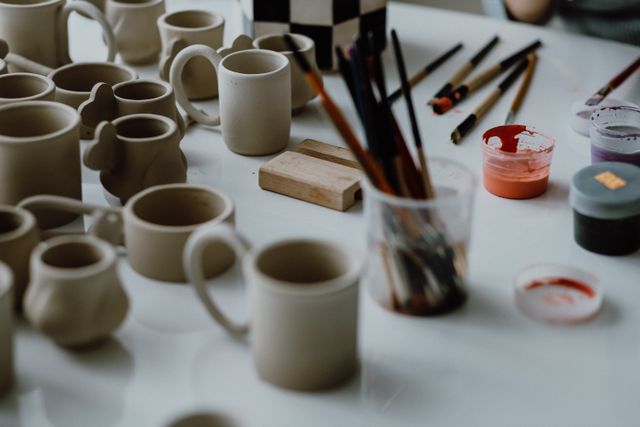
Working with these materials can feel less like selecting a color and more like preparing something in a witch’s workshop. There are jars of pale powders, collected ash, mineral oxides, corroded copper, handwritten ratios, and mixtures whose final appearance cannot be known before they enter the kiln. At times, it feels as though I am brewing a black-magic potion rather than making a glaze.
Perhaps the early alchemists experienced something similar. Their work was shaped by very different beliefs, but much of it also involved grinding, dissolving, combining, heating, and waiting for matter to transform. Before chemistry became a standardized scientific discipline, observation and speculation occupied the same workspace. A failed mixture could still reveal something; an unexpected color could become the beginning of another experiment.
There is a trace of that logic in the ceramic studio. The process is not supernatural, but it can feel mysterious because the decisive reactions happen inside a closed kiln. The materials enter as powders and emerge as a fused surface. What happened between those states can be studied, recorded, and partly predicted—but never watched directly.
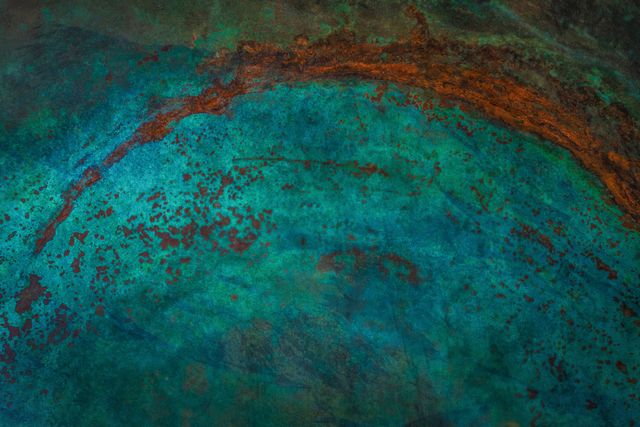
Even copper oxide can begin with an ordinary material such as copper corrosion, although preparing ceramic materials safely and consistently requires much more than collecting and grinding them. Purity, particle size, contamination, firing conditions, and safe handling all affect the result.
Commercial glazes provide stability, but stability can narrow the surface language. Many produce clean, transparent colors that remain visually separate from the body beneath them. They work reliably, yet some can feel too clear, too finished, and strangely inexpensive.
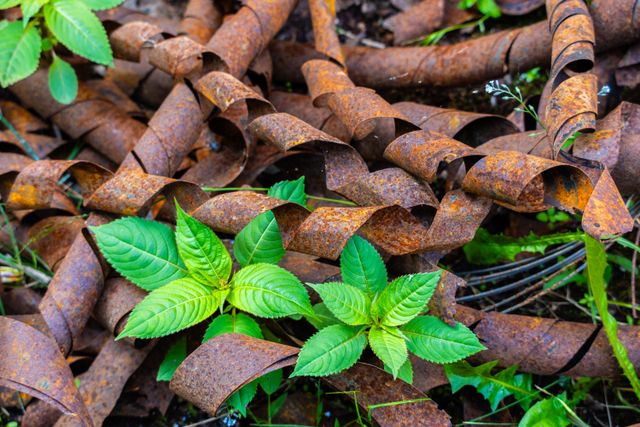
Natural and self-prepared materials offer a different relationship with the kiln. Two pieces made from the same clay, coated with the same glaze, and fired in the same program may still emerge differently. Minor variations in thickness, placement, ash composition, heatwork, and atmosphere remain visible in the finished surface.
This variability should not automatically be treated as quality. A visually compelling glaze is not necessarily durable, food-safe, or suitable for repeated use. Copper, cobalt, unstable surfaces, excessive leaching, crazing, and poorly melted materials all require testing—especially on functional ware.

A beautiful surface and a surface suitable for long-term use are not always the same thing.
Glaze is not a color applied to clay. It is a material system temporarily made fluid by heat. What appears after firing is the record of those materials reacting with one another—and of the kiln never repeating itself exactly.
ceramic glaze materials, natural ceramic glaze, ceramic alchemy, plant ash glaze, bone ash glaze, ceramic oxides, iron oxide glaze, copper oxide glaze, cobalt oxide glaze, experimental ceramics, glaze chemistry, functional ceramics, ceramic glaze testing
-

Act Broke Stay Rich
$8.00 -
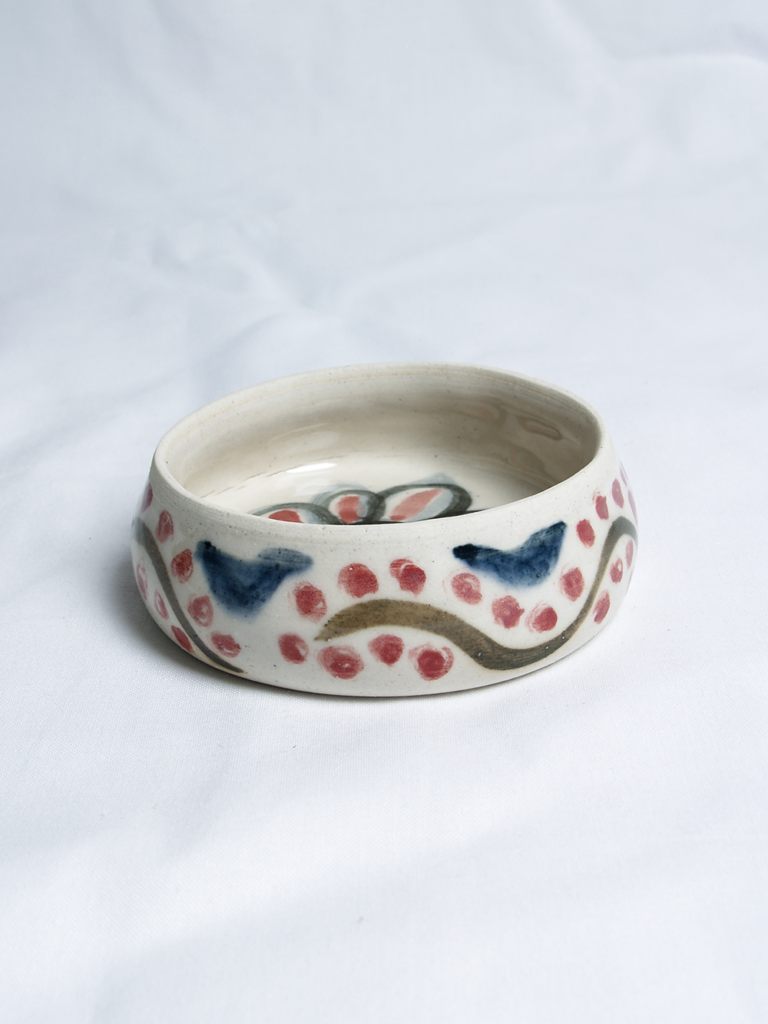
Bird and Vine Underglaze Jar
$220.00 -
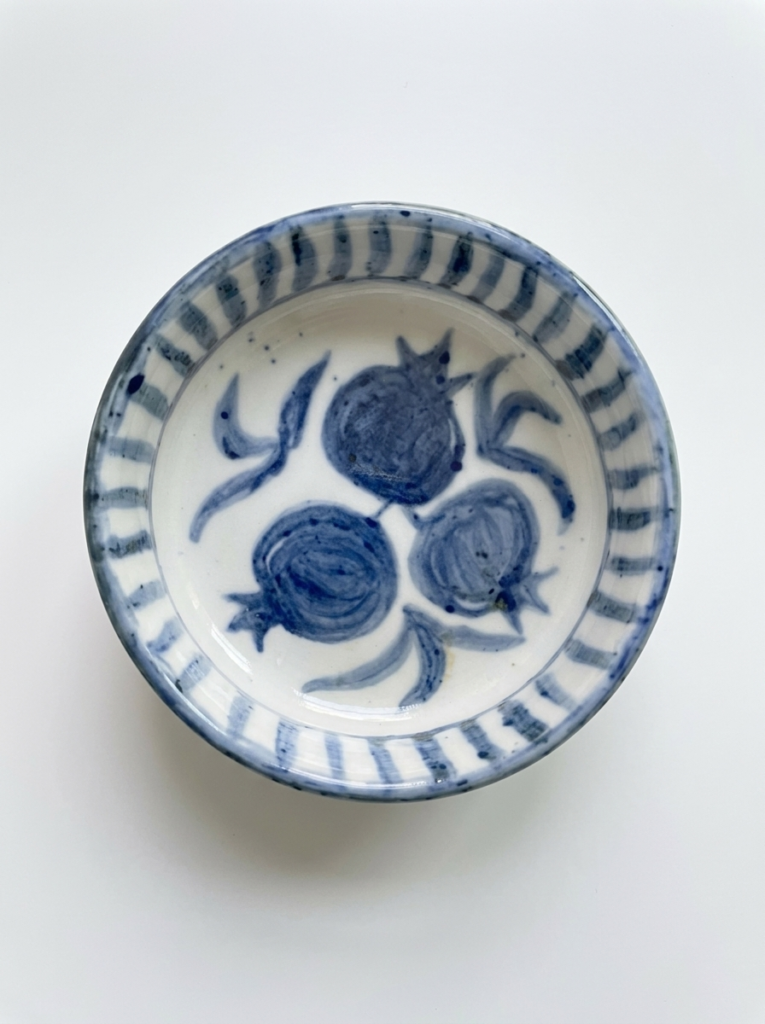
Blue Pomegranate Straight Sided Bowl
$110.00 -
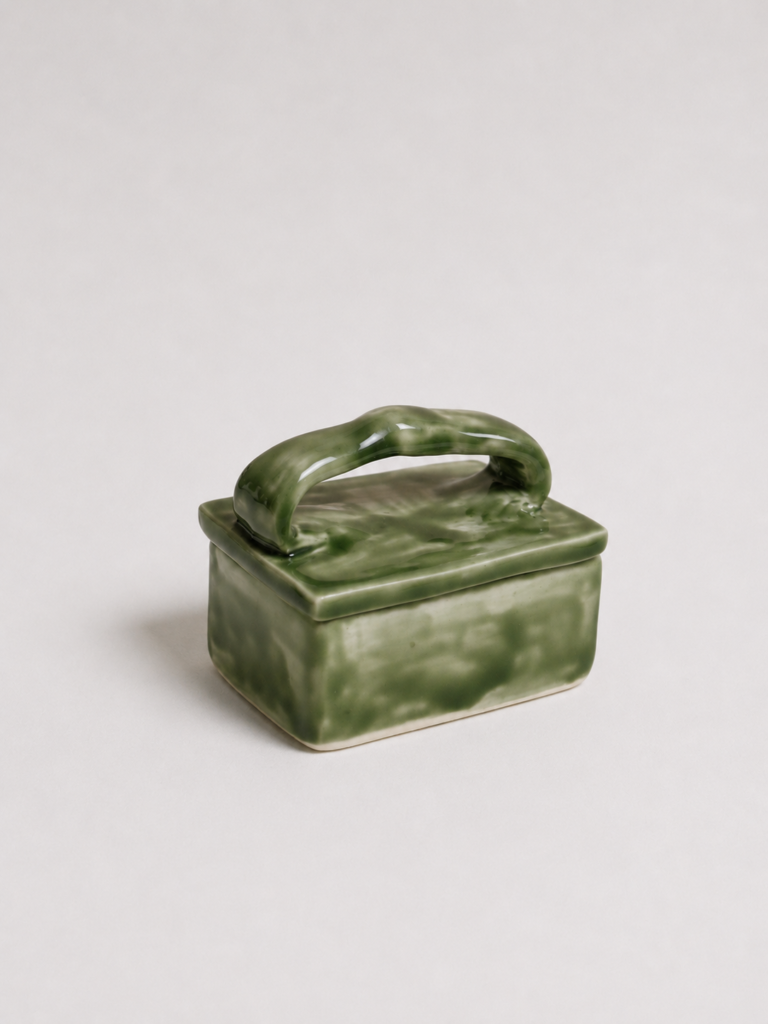
Bow Handled Green Lidded Box
$120.00