
If you’ve ever looked at two handmade mugs and wondered why one looks soft and matte while the other shines like glass—yeah, that’s the magic of ceramic glazes. Glaze is basically the final coat that gives your pottery its color, texture, and durability. But not all glazes are the same. Some are glossy, some are rough, some are food-safe, and others… well, best not to drink from them.
What Exactly Is Ceramic Glaze?
Glaze is a thin layer of glass fused onto the surface of the clay when it’s fired in a kiln. It seals the piece, makes it waterproof, and gives it that color and texture you love. Think of it like the “skin” of the pottery—it protects and beautifies at the same time.
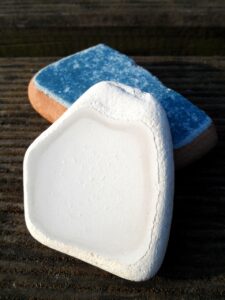
Main Types of Ceramic Glazes
There are tons of glazes out there, but most of them fall into a few main categories based on texture and finish. Here are the ones you’ll run into the most:
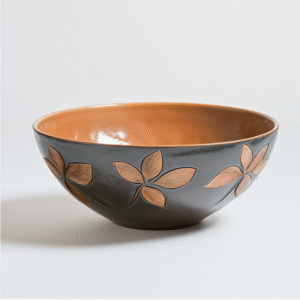
1. Glossy Glazes
The shiny ones—reflective, smooth, and often used on tableware. Glossy glazes enhance colors and make patterns pop.
Pros:
- Bright, vibrant colors
- Easy to clean
- Great for dinnerware
Cons:
- Can show fingerprints
- Might look too “factory-made” if overused
2. Matte Glazes
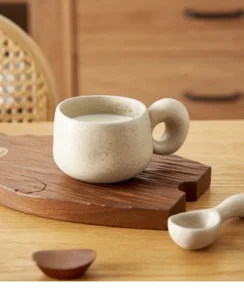
Soft, muted, and a little velvety to the touch. Matte glazes give off that modern, “wabi-sabi” handmade vibe.
Pros:
- Beautiful natural look
- Doesn’t show smudges easily
- Pairs well with rustic or minimalist designs
Cons:
- Can stain more easily
- Not as durable under constant use (like mugs or bowls you wash a lot)
3. Satin Glazes
Right in between glossy and matte. A balanced sheen—smooth but not too shiny.
Pros:
- Best of both worlds
- Feels nice in hand
- Good for both functional and decorative pieces
Cons:
- Harder to apply evenly for beginners
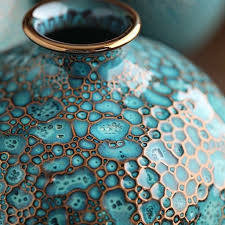
4. Crackle Glazes
These intentionally create small cracks during firing, forming a decorative web-like pattern. It’s aesthetic, not structural.
Pros:
- Gorgeous texture and depth
- Great for decorative pieces
Cons:
- Not food-safe unless sealed properly (liquids can seep in the cracks)
5. Celadon & Transparent Glazes
Celadon glazes are a classic East Asian style—soft, translucent greens and blues that show off the clay texture underneath.
Pros:
- Elegant and timeless
- Highlights hand-carved or textured clay beautifully
Cons:
- Requires precise firing temperature
- Subtle, not for bold color lovers
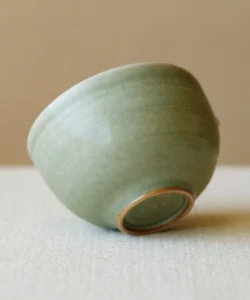
How to Identify Ceramic Glazes
If you’re trying to figure out what glaze is on a piece—especially when thrifting or buying handmade stuff—here’s what to look for:
- Shine: Glossy = mirror-like. Matte = dull and textured.
- Texture: Run your finger across. Smooth = glossy or satin; rough = matte.
- Color Depth: Transparent glazes show clay color beneath; opaque ones cover it completely.
- Crackles or Spots: Those are clues! Crackle means decorative; speckles often come from reactive glaze chemistry.
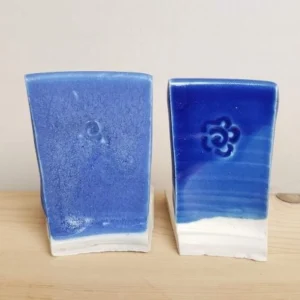
Food Safety: What You Gotta Know
Not every glaze is food-safe. Some decorative ones can contain metals (like lead or barium). So if you’re buying or making tableware, always check if the glaze is labeled food-safe and fired at cone 6 or higher (meaning, it’s vitrified and sealed).
If you’re a maker, it’s worth doing a simple lemon test: leave lemon juice on your glaze overnight—if it leaves a mark, it’s probably not safe for food use.
Final Thoughts
Choosing the right glaze is half science, half vibe. Want your mug to feel rustic? Go matte or satin. Want that high-end gallery look? Glossy or celadon might be your jam. The trick is matching glaze type with how the piece will actually be used.
At the end of the day, the best glaze is the one that feels right in your hand and tells your story through texture and color.
-
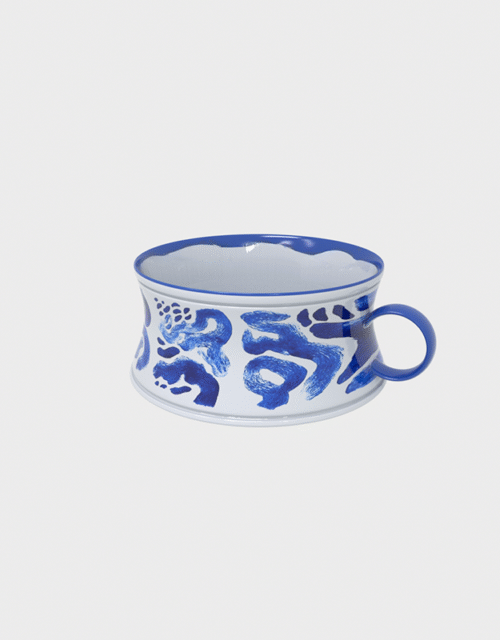 Price range: $32.00 through $47.00
Handmade Tea Cup with Handle | Short & Curvy Belly Style
-
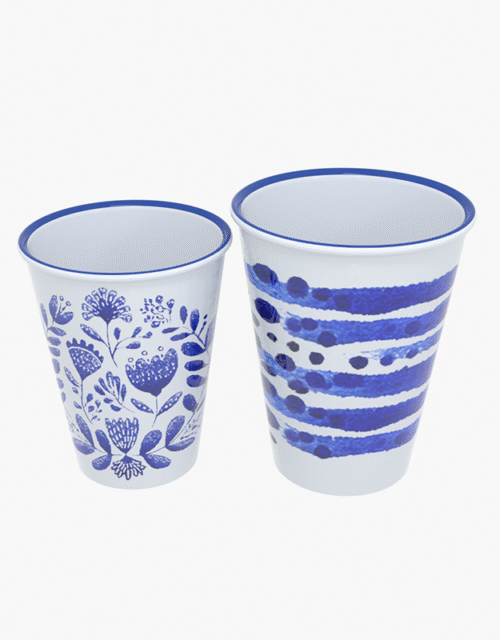 Price range: $28.00 through $45.00
Personalized Porcelain Mug without Handle | Minimalist Coffee Cup
-
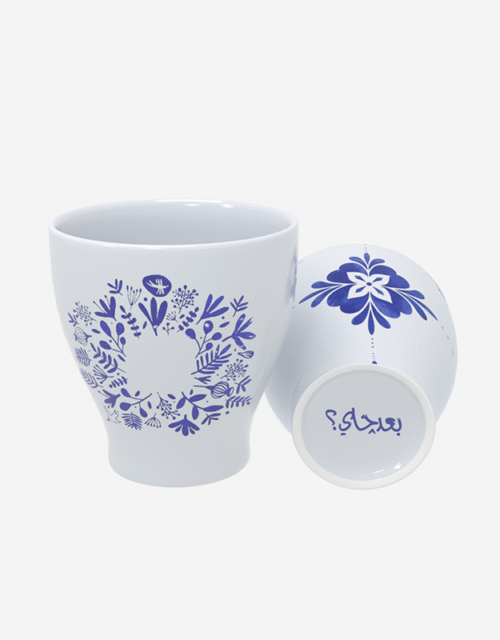 Price range: $22.00 through $35.00
Personalized Porcelain Tea Cup | Minimalist Handleless Cup
-
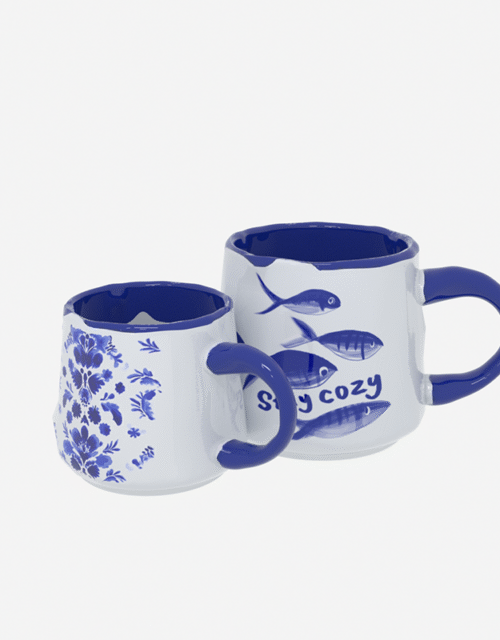 Price range: $29.00 through $47.00
Hand-Thrown Blue & White Porcelain Mug | Personalized Handmade Coffee Cup